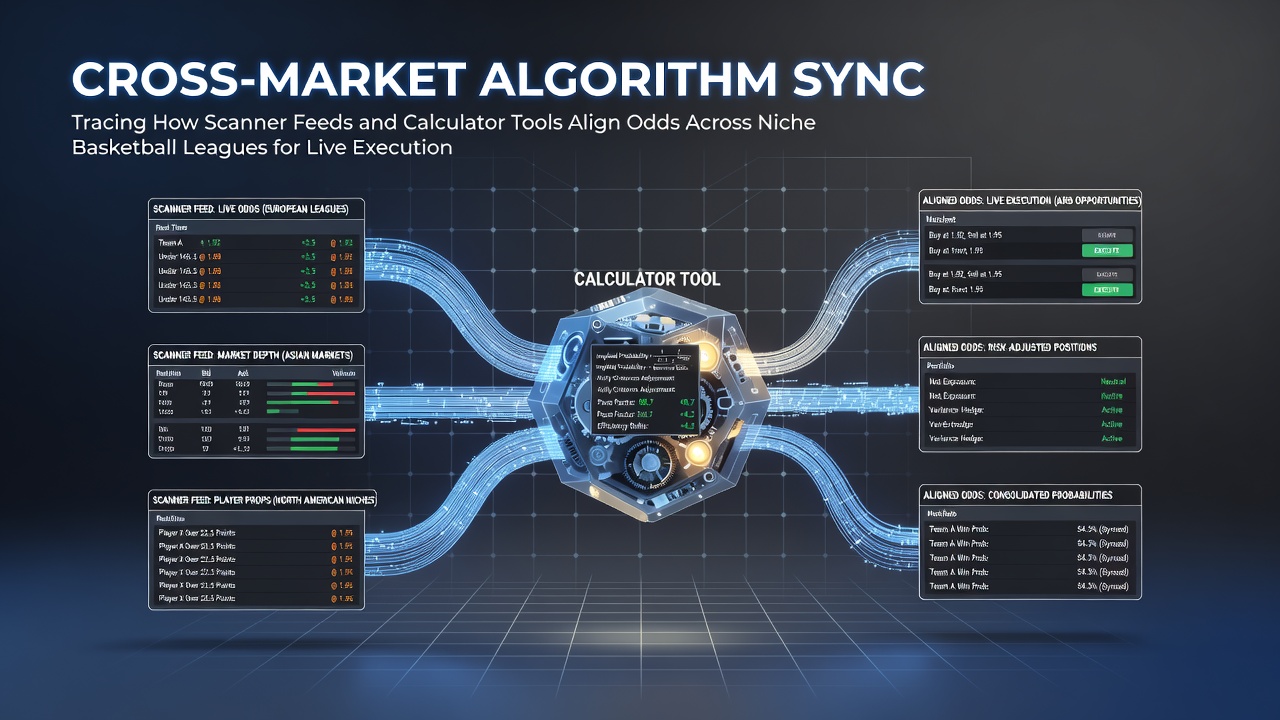
Algorithm Sync in Action: How Feeds and Calculators Harmonize Odds Across Niche Basketball Circuits
Cross-market algorithm synchronization operates through coordinated data pipelines that connect scanner feeds with calculator engines to identify and align pricing discrepancies in niche basketball competitions, and these systems process information from leagues such as the Lithuanian Basketball League, the Australian NBL, and various South American circuits where betting volumes remain lower than in major professional associations.
Scanner tools continuously ingest real-time market data from bookmakers operating across different jurisdictions while calculator modules apply mathematical models to detect misalignments that could support arbitrage positions, and the integration happens at the software layer where API connections push updated figures into shared databases that refresh every few seconds during active matches.
Data Ingestion and Initial Processing
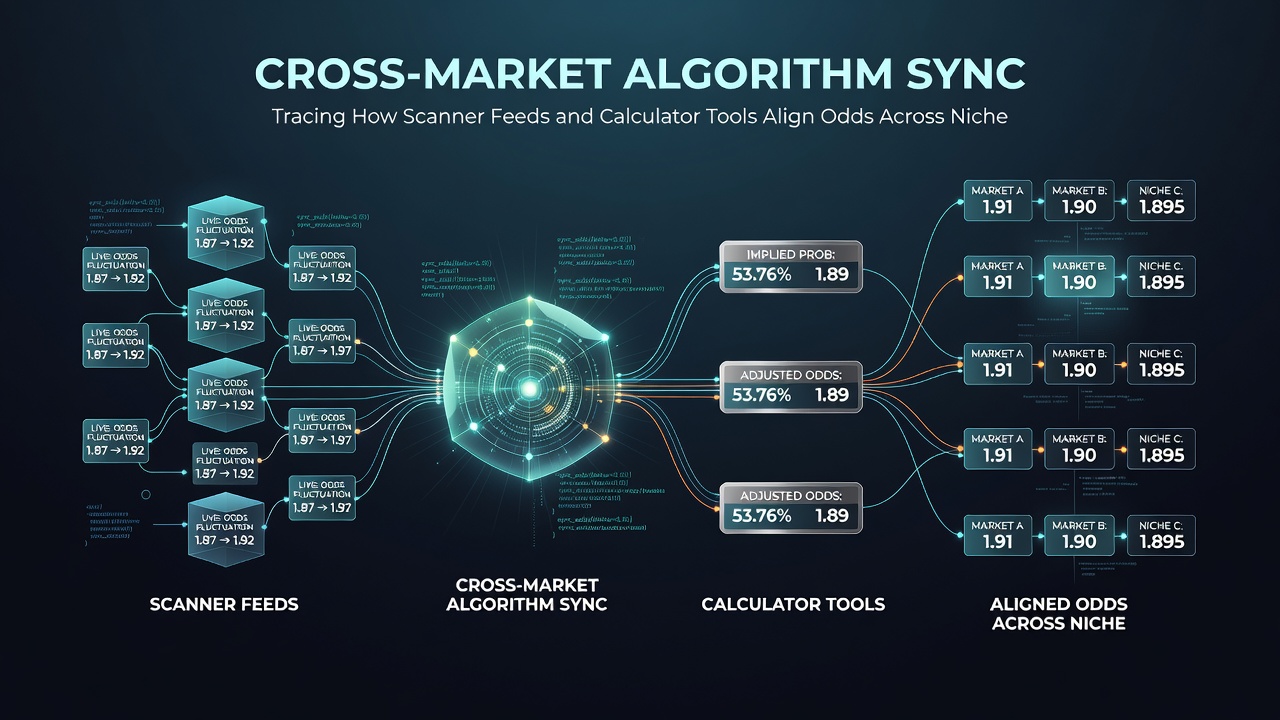
Feeds pull line movements, player statistics, and in-game events from specialized providers that cover secondary basketball markets, and these streams enter centralized servers that normalize formats before forwarding cleaned datasets to calculation routines. Observers note that synchronization protocols use timestamp verification to ensure all sources reflect comparable moments in a contest, which reduces errors when odds shift rapidly after timeouts or substitutions.
Research from the University of Sydney's gambling technology group shows that automated alignment improves detection rates by approximately 18 percent compared with manual cross-checking in lower-tier basketball events, and the study examined data collected through mid-2025 before extensions into 2026 confirmed similar patterns.
Calculator Alignment Mechanisms
Once feeds deliver normalized inputs, calculator tools execute probabilistic equations that compare implied probabilities across multiple bookmakers and leagues simultaneously, and the process identifies instances where combined odds exceed 100 percent in aggregate. This cross-league comparison proves especially useful in niche circuits because liquidity differences often produce temporary pricing gaps that scanners flag within milliseconds of occurrence.
Algorithms apply weighting factors based on historical volatility data from each league, which helps prioritize opportunities that demonstrate greater stability during live execution windows, and teh output generates executable signals that traders review before committing capital to matched positions.
Live Execution Workflow
Execution begins when the synchronized system highlights a viable set of wagers, and operators place stakes through automated or semi-automated interfaces that connect directly to bookmaker APIs, and timing remains critical because odds in niche basketball leagues can normalize within 30 to 90 seconds after an initial discrepancy appears. Data from the Canadian Gaming Association's 2026 quarterly review indicates that live arbitrage volume in secondary basketball markets increased by 12 percent during the first half of the year, with July figures showing continued upward movement amid expanded coverage of regional tournaments.
Systems incorporate latency compensation features that account for network delays between different geographic regions, which ensures that calculations reflect the most current available prices even when bookmakers operate on separate server clusters. Those who monitor these operations report that successful synchronization reduces the window for human error by routing decisions through pre-validated templates that match specific league characteristics.
Technical Challenges and Adaptations
Network variability and differing regulatory reporting requirements across jurisdictions create occasional desynchronization events, yet developers counter these issues with redundant feed sources and fallback calculators that activate when primary connections falter. The European Betting and Gaming Association published guidelines in early 2026 that outline best practices for maintaining data integrity during cross-border operations, and industry participants have adopted many of these recommendations to stabilize performance in fast-moving basketball environments.
Adaptations include machine learning layers that predict likely odds movements based on historical patterns from similar game situations, and these predictive elements feed back into the main synchronization loop to refine future alignments. Evidence suggests that such iterative improvements have helped maintain consistent detection rates even as bookmaker algorithms evolve to close gaps more quickly.
Conclusion
The combination of scanner feeds and calculator tools creates a functional framework for aligning odds across niche basketball leagues, and ongoing refinements in data handling and execution speed support continued operation in these specialized markets. Figures from multiple monitoring organizations show steady growth in live activity through July 2026, which reflects broader adoption of synchronized systems among operators focused on secondary competitions.