Blending Detection Algorithms for Hidden Opportunities in Football and Basketball Exchanges
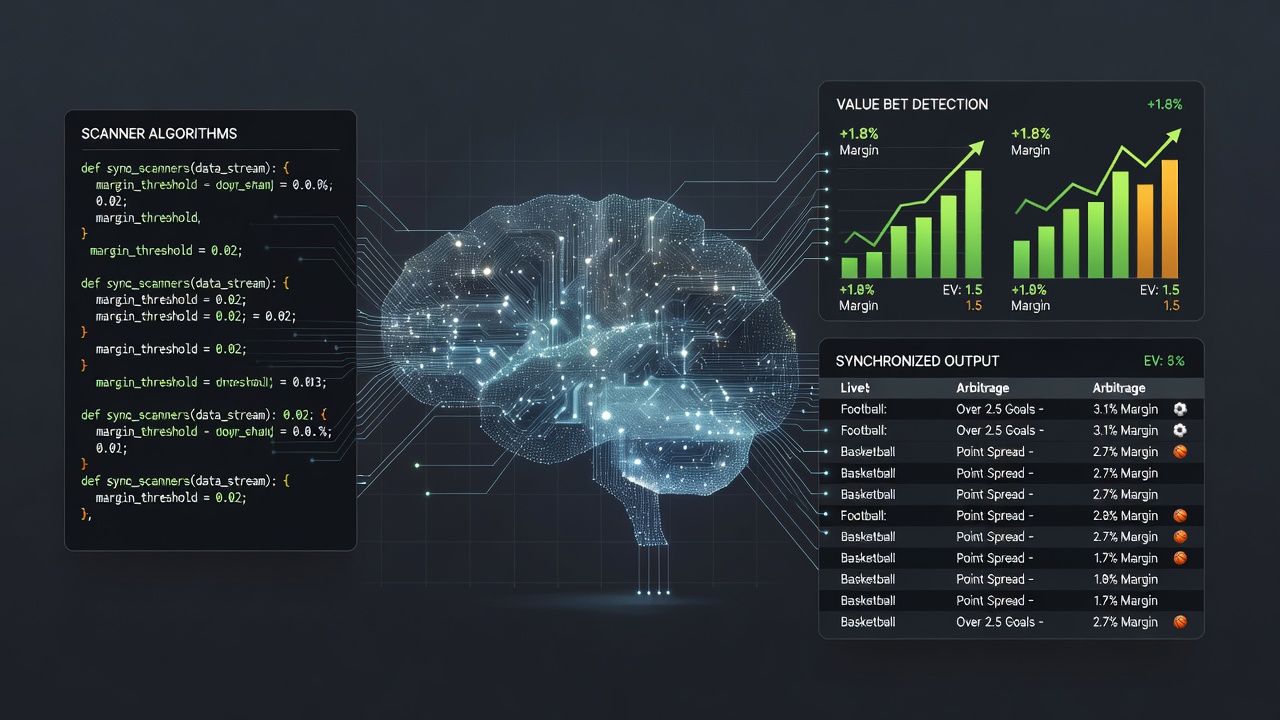
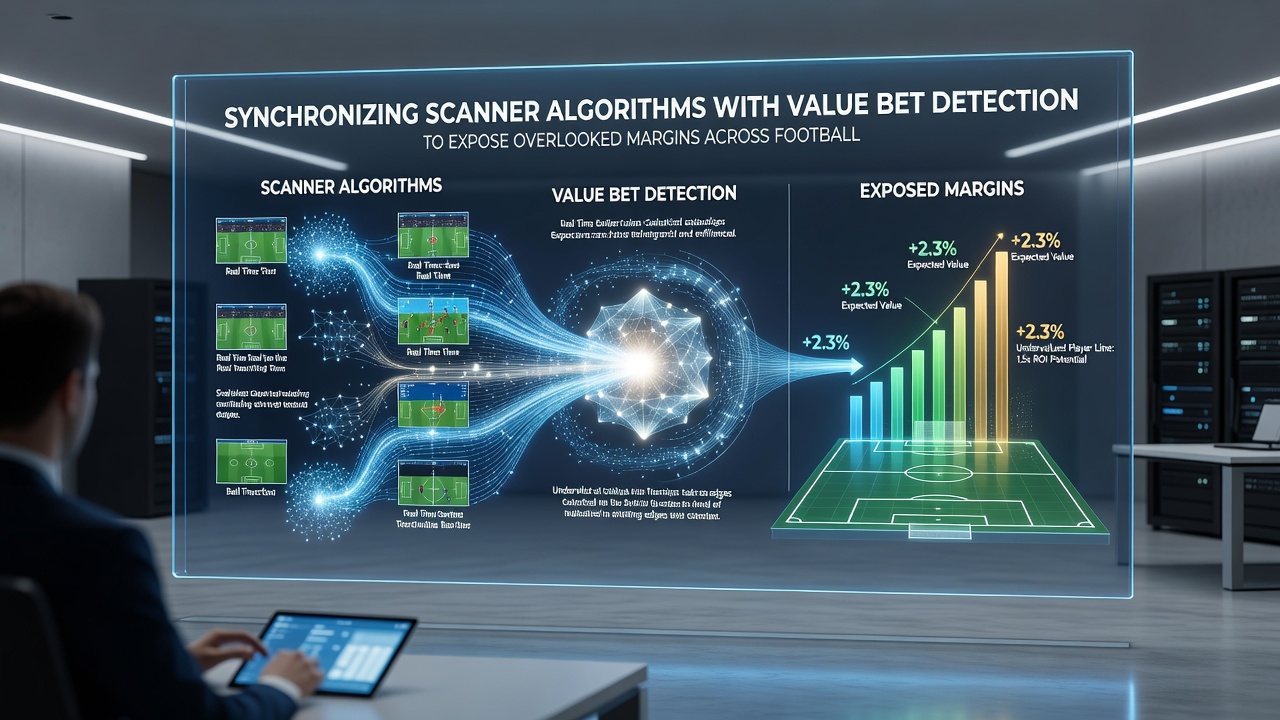
Exchange platforms in football and basketball present dynamic pricing that shifts with volume and timing, and synchronization between scanner algorithms and value bet detection creates pathways to identify margins that standard tools often miss. Observers note that these systems combine live odds feeds with statistical models to flag discrepancies across multiple books and exchanges simultaneously, while the integration allows for precise filtering of positive expected value situations rather than relying solely on arbitrage structures.
Data from July 2026 shows increased activity in these sports as major leagues release schedules and transfer windows close, prompting algorithms to recalibrate baselines for player performance and team metrics. Researchers at institutions tracking betting analytics have documented how scanner tools pull from dozens of sources in milliseconds, yet without value detection layers the outputs can overwhelm users with noise instead of actionable edges.
Core Mechanics of Scanner Algorithms in Exchange Environments
Scanner algorithms operate by monitoring bid-ask spreads and implied probabilities across football and basketball markets, updating continuously as new information arrives from official feeds and trading activity. Those who study these systems point out that the algorithms apply filters for liquidity thresholds and historical variance, which reduces false positives during high-volatility periods such as injury announcements or halftime adjustments in basketball.
Integration with value bet detection adds a second layer that compares current odds against calculated fair values derived from Poisson distributions for football scores or regression models for basketball points. This dual approach reveals situations where an exchange price sits above or below the modeled probability without requiring simultaneous opposing bets on multiple platforms.
Value Bet Detection Layer and Its Role in Margin Exposure
Value bet detection focuses on isolating individual wagers where the offered odds exceed the true probability of an outcome, and when paired with scanners this process runs across live football and basketball exchanges rather than static bookmaker lines. Evidence suggests that synchronization improves accuracy because scanners supply the raw pricing data while value models apply context such as recent form, rest days, and travel factors that influence basketball performance more noticeably than in some other sports.
One case highlighted by industry reports involved a July 2026 basketball playoff game where scanner output identified a temporary pricing lag on player prop markets, and the value detection module confirmed an edge exceeding five percent after accounting for exchange commissions. Similar patterns appear in football during late-season matches when motivation levels fluctuate and algorithms adjust for these variables in real time.
Cross-Sport Applications and Data Integration Patterns
Football and basketball differ in scoring tempo and market depth, yet synchronized systems handle both by maintaining separate probability engines that feed into a unified detection dashboard. Observers have noted that basketball exchanges often generate more frequent updates due to continuous scoring, while football markets require stronger emphasis on set-piece and substitution impacts during the final twenty minutes of matches.
According to findings from Australian gambling research reports, combined scanner and value tools achieved higher detection rates in these two sports compared with standalone methods during the 2025-2026 seasons. The report examined thousands of exchange transactions and found that margins surfaced most reliably when algorithms incorporated both live trading volume and historical outcome distributions.
Technical Synchronization Challenges and Solutions
Latency remains a primary concern because even brief delays between scanner input and value calculation can erase small edges on fast-moving basketball lines. Developers address this through parallel processing architectures that run probability models alongside live feeds, allowing outputs to appear within the same second that pricing changes register on the exchange.
Another consideration involves commission structures unique to exchanges, which value detection modules must subtract before presenting net margins. Those who have examined these setups report that accurate modeling of commission tiers prevents overestimation of returns, particularly in football where stake sizes tend to be larger and fee impacts compound more noticeably over repeated trades.
Market Trends Observed in July 2026
July 2026 brought renewed focus on pre-season football friendlies and basketball summer leagues, periods when exchange liquidity can vary sharply and create temporary windows for synchronized tools to operate. Figures from University of Nevada gaming studies indicate that detection rates for overlooked margins rose during these off-peak windows because fewer professional syndicates competed for the same pricing inefficiencies.
Exchange operators responded by expanding API access, which in turn allowed scanner algorithms to ingest finer-grained data on order book depth and cancelled bets. This expansion supported more robust value calculations across both sports without requiring users to switch between separate platforms.
Conclusion
Synchronization of scanner algorithms with value bet detection continues to evolve as data sources multiply and exchange volumes grow in football and basketball. The approach supplies users with filtered opportunities that single-method tools frequently overlook, while ongoing refinements in latency handling and contextual modeling maintain relevance amid shifting market conditions. Data from multiple regions confirms that the combined methodology surfaces margins across both sports when applied consistently to live exchange environments.