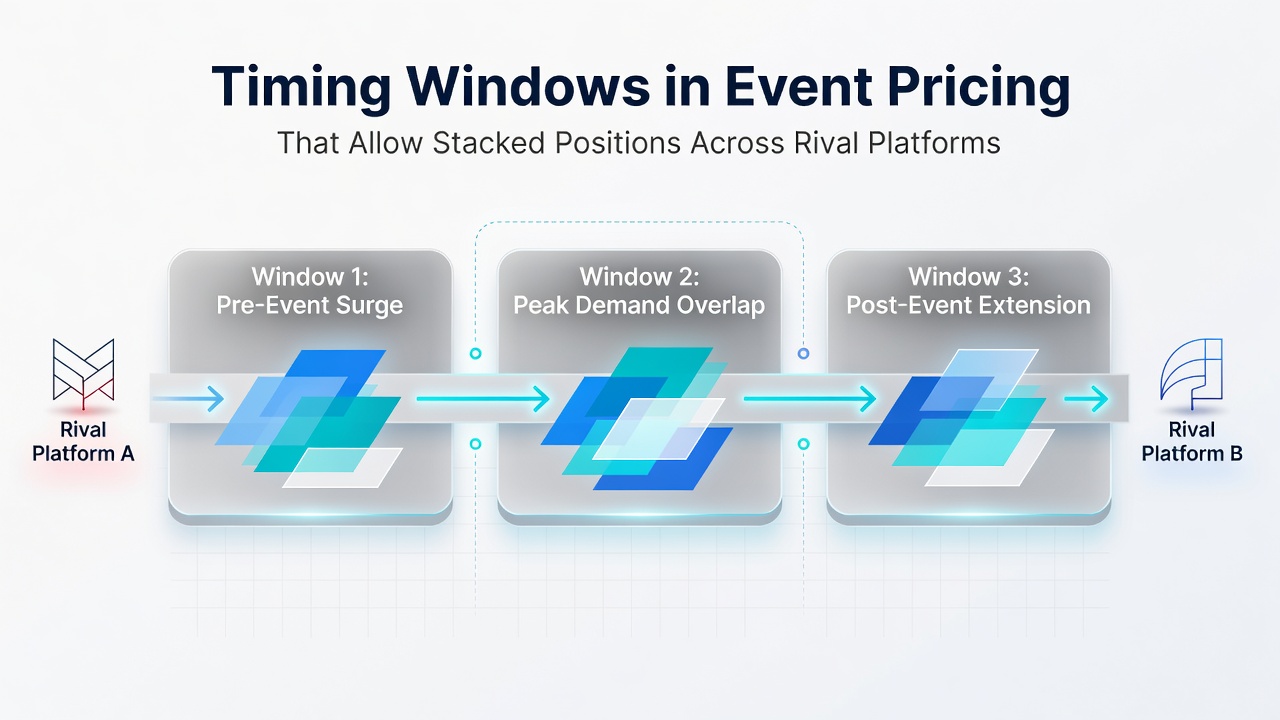
Dynamic Synchronization Windows Enabling Multi-Platform Position Layering in Event Markets
Event pricing across competing platforms creates brief synchronization windows where odds movements align in ways that support simultaneous position accumulation on opposing outcomes. These intervals emerge when algorithmic adjustments at separate operators respond to shared inputs such as score changes or volume spikes yet execute at slightly offset moments. Observers note that the resulting overlaps last from several seconds to a couple of minutes depending on the sport and the liquidity profile of each exchange.
Mechanics Behind Overlapping Price Points
Bookmakers and exchanges recalibrate odds through automated systems that ingest real-time data feeds from official sources. When a goal occurs in football or a break point unfolds in tennis the feeds reach each operator at comparable but non-identical timestamps. This staggered arrival produces moments where one platform has already adjusted while another still displays the prior line. Researchers at academic institutions tracking European exchange data have documented how these micro-delays create narrow corridors during which opposing stakes can be placed without immediate price erosion.
Market depth further influences window duration. High-liquidity basketball quarters generate shorter yet more frequent intervals because rapid volume forces quicker recalibrations on multiple sites. Lower-liquidity tennis sets may produce longer windows yet fewer instances overall. Data compiled by the Australian Gambling Research Centre indicates that average window length in major tennis tournaments contracted by 12 percent between 2024 and 2026 as platform algorithms improved response times.
Platform Architecture and Cross-Market Execution
Rival platforms operate independent risk engines that nevertheless draw from overlapping data streams. One platform might prioritize exchange order flow while another weights broadcast timing more heavily. The divergence yields pricing gaps that close once both engines incorporate the latest input. Participants who monitor multiple interfaces simultaneously can identify these gaps and execute layered positions before the second platform updates. Software tools that aggregate live feeds from several sources help surface candidate windows yet still require manual confirmation of available stake limits on each side.
Regional Regulatory Context
Regulators in different jurisdictions monitor these activities through distinct lenses. The Malta Gaming Authority requires licensed operators to maintain audit trails of odds changes that demonstrate compliance with responsible gaming standards. Canadian provincial bodies similarly track timestamped pricing records to verify that adjustments reflect genuine market movements rather than coordinated manipulation. Figures released by the National Council on Problem Gambling in the United States show increased scrutiny of automated betting interfaces that exploit cross-platform timing discrepancies during July 2026 tournaments.
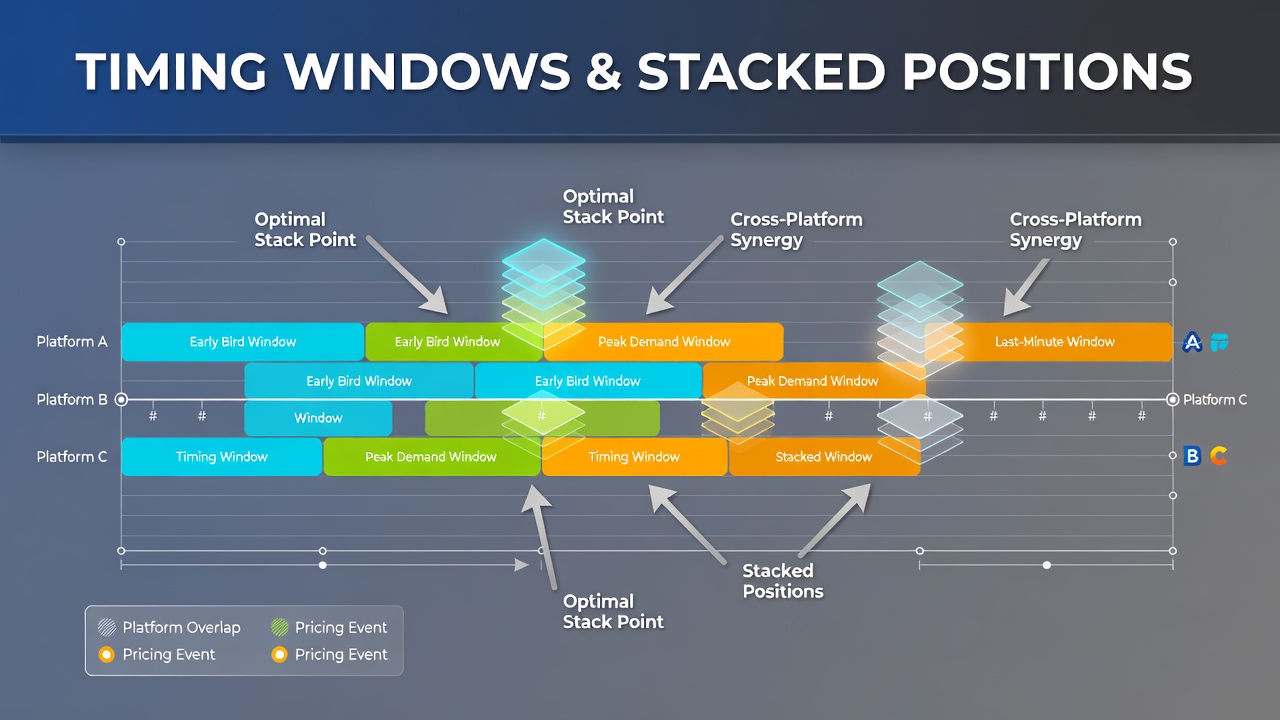
Practical Execution Patterns Observed in 2026
Case records from trading desks operating across multiple European exchanges reveal recurring patterns. A typical window opens when one platform moves odds on an underdog following an early goal while the rival platform retains the previous line for an additional 18 to 25 seconds. During that span a participant can place a stake on the underdog at the unchanged price and simultaneously cover the opposing outcome on the platform that has already adjusted. The combined positions create a locked exposure that remains valid until either market incorporates fresh volume.
Another documented pattern occurs near the end of basketball quarters when free-throw sequences trigger rapid updates. One study published by the University of Sydney Business School examined 14 000 live basketball markets and found that 7.4 percent of quarter-ending sequences produced usable synchronization windows exceeding 12 seconds. The same research noted that participants who pre-funded accounts on at least three platforms captured a higher percentage of these windows compared with those limited to two interfaces.
Technical Requirements and Latency Considerations
Successful positioning depends on low-latency connections to each platform's API or web interface. Network jitter of even 50 milliseconds can shift a participant outside an active window. Observers tracking infrastructure investments report that several mid-sized operators upgraded their edge servers during the first half of 2026 specifically to reduce internal processing delays. These upgrades shortened average window durations yet also increased the total number of detectable intervals because more data points became available for cross-referencing.
Participants further reduce execution risk by maintaining pre-approved stake limits on each platform. Pre-approval eliminates the need for additional confirmation steps once a window appears. Industry reports from the European Betting and Gaming Association indicate that accounts with pre-set limits executed 2.3 times more layered positions per active window than accounts requiring manual approval during the same period.
Conclusion
Timing windows in event pricing arise from staggered algorithmic responses across independent platforms and enable stacked positions when participants act within narrow synchronization intervals. Data from multiple regulatory and academic sources confirm that these opportunities occur regularly yet remain constrained by network performance, account configuration, and market liquidity. As platform technology continues to evolve the characteristics of these windows shift, requiring ongoing monitoring of latency profiles and regulatory reporting requirements across jurisdictions.