Injury Timeline Alerts: How Early Notifications Shape Discrepancy Detection Across Global Match Markets
The Mechanics of Injury Timeline Alerts
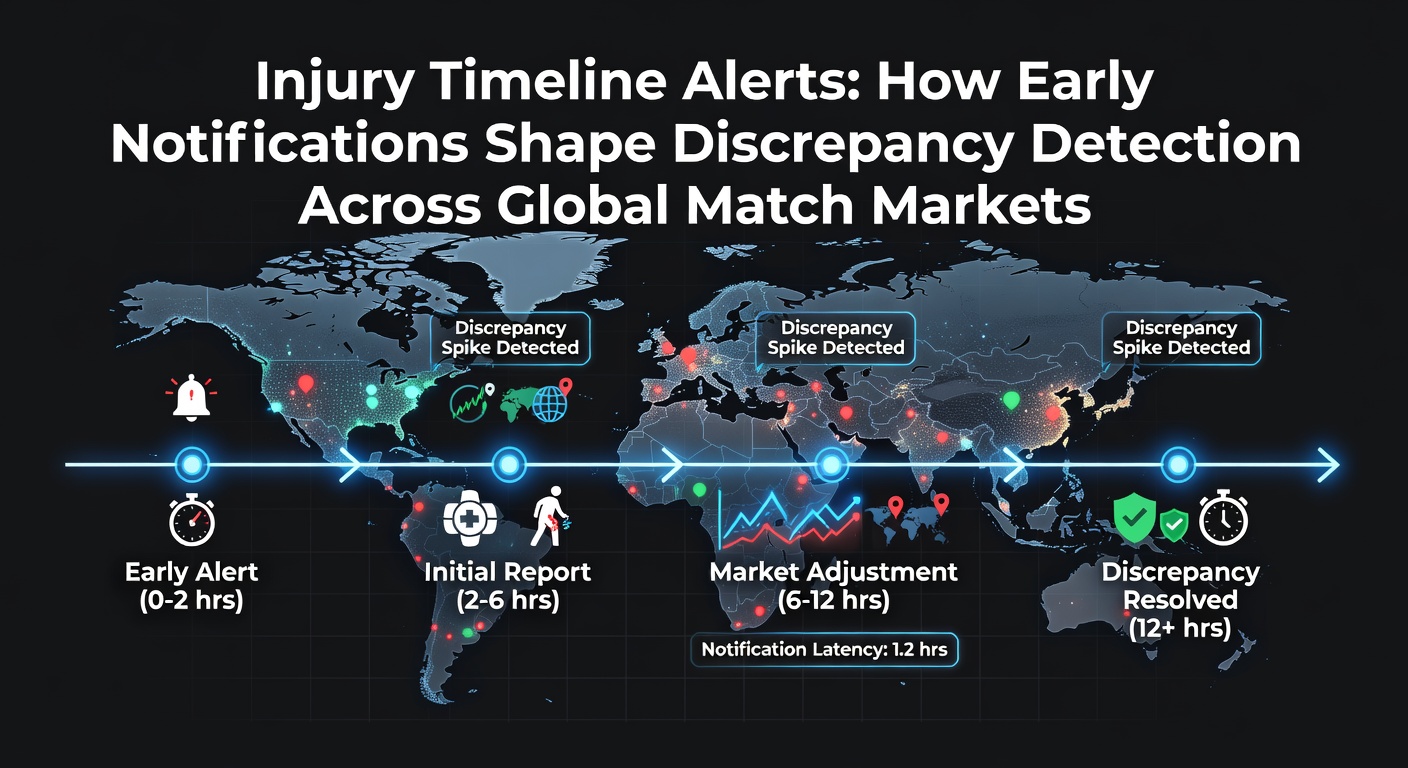
Early notifications about player injuries arrive through structured data feeds that reach betting platforms and analytical tools well before official announcements hit mainstream channels, and these alerts allow market participants to adjust odds across different bookmakers operating in separate time zones. Observers note that when a key defender suffers an unexpected strain during warm-up, the timeline data often reaches certain scanners first, creating windows where odds on related markets diverge sharply while others remain static.
Those who monitor global fixtures understand that injury timelines extend beyond simple status updates because they include projected recovery periods, medical assessments, and historical patterns for similar cases, and this layered information feeds directly into discrepancy detection systems that scan for arbitrage opportunities in football, basketball, and tennis. Data from international sports monitoring services shows that notification speed has accelerated since 2024, with average lead times shrinking by several minutes in major leagues.
Global Market Reactions and Timing Windows
Match markets in different regions respond at varying speeds once injury timelines become available, so European bookmakers might adjust totals markets within seconds while Asian exchanges take longer to incorporate the same data, and this lag produces the very discrepancies that scanners target. Researchers tracking these patterns in June 2026 observed increased activity around overlapping fixtures involving clubs from multiple continents, where a single forward's status update rippled through several unrelated betting lines simultaneously.
What's notable is how early alerts interact with live betting tempo changes, because basketball markets often shift dramatically after an injury notification while football over/under lines require more time to stabilize, and tennis set markets can react almost instantly due to their individual player focus. Experts tracking these interactions point to case studies where one notification triggered a chain of adjustments across three separate sports within a single evening of global fixtures.
Integration with Scanner Technology
Modern arbitrage tools now incorporate injury timeline feeds directly into their algorithms, allowing automated detection of odds gaps that appear only after specific medical updates reach the market, and this integration has expanded the range of detectable edges in live scenarios. Industry reports from organizations such as Sport Australia indicate that regions with advanced sports data infrastructure see faster incorporation of these alerts, which in turn sharpens the precision of discrepancy identification across borders.
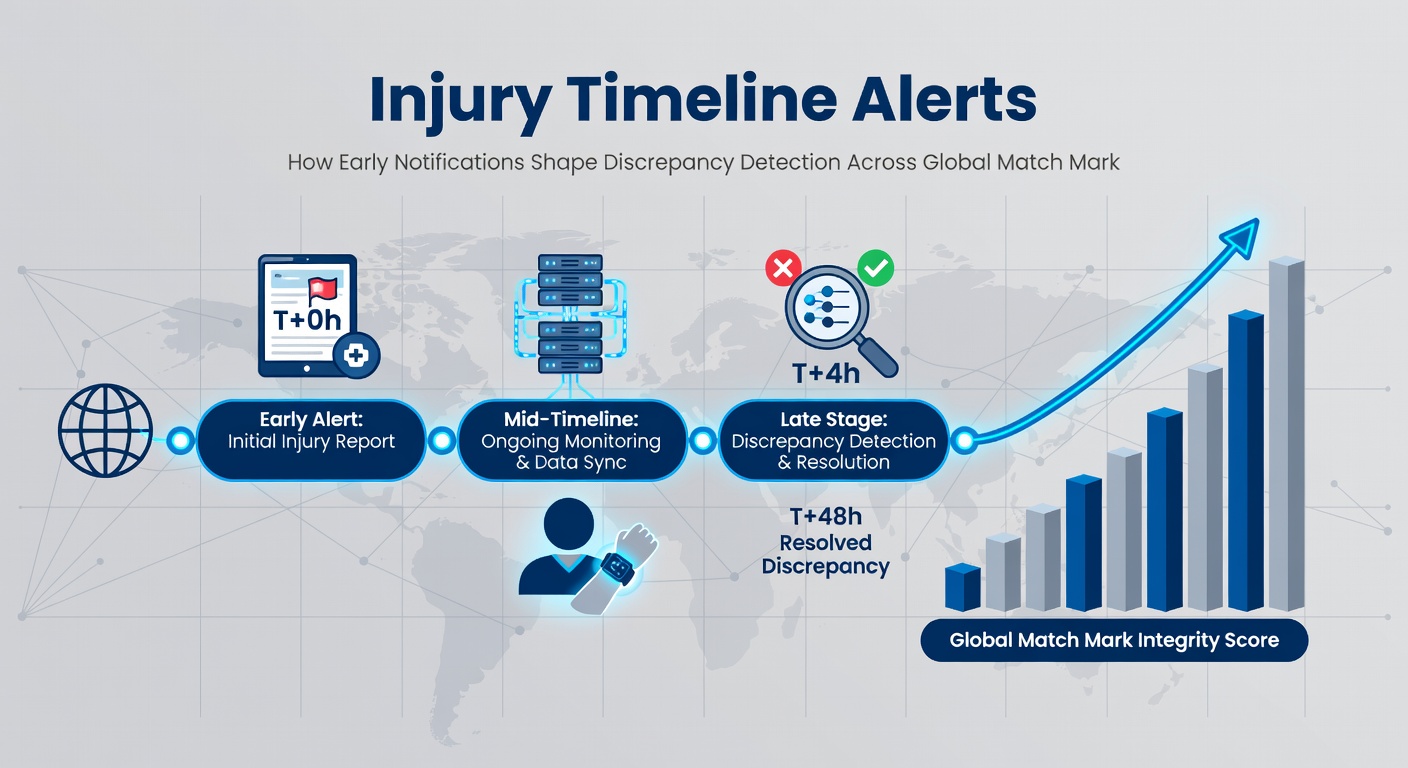
Those who've examined scanner performance data note that systems combining timeline alerts with historical injury recovery statistics produce more reliable signals than those relying on odds movements alone, because the alerts provide context that filters out noise from random line shifts. In June 2026, several multi-league tournaments demonstrated how a single early notification about a star player's availability could open layered opportunities across both pre-match and in-play markets in different countries.
Regional Variations in Notification Delivery
Delivery speed and format of injury timeline alerts differ by region, with North American leagues often releasing structured medical reports through official channels while European competitions rely more on aggregated data services, and these differences create consistent patterns in how discrepancies emerge. Canadian regulatory bodies focused on sports integrity have documented similar variations in their oversight reports, highlighting how timing inconsistencies affect market behavior across international borders.
People monitoring these flows find that tennis markets show the clearest response to early notifications because individual player status changes carry immediate weight, whereas team sports require additional analysis of positional impact before full adjustments occur. This distinction means scanners tuned for tennis often flag opportunities minutes ahead of those focused on football or basketball.
Conclusion
Injury timeline alerts continue to refine the way discrepancy detection operates across global match markets by supplying structured, time-sensitive data that scanners convert into actionable signals, and the effect becomes most visible during periods of overlapping fixtures when multiple sports run concurrently. Observers tracking developments through 2026 note steady improvements in notification accuracy and speed, which in turn support more precise identification of edges that appear only when early information reaches certain platforms ahead of others. The ongoing evolution of these systems reflects broader changes in how sports data moves between medical teams, leagues, and betting markets worldwide.