Interconnected Information Networks for Capturing Odds Variations in International Sports Leagues
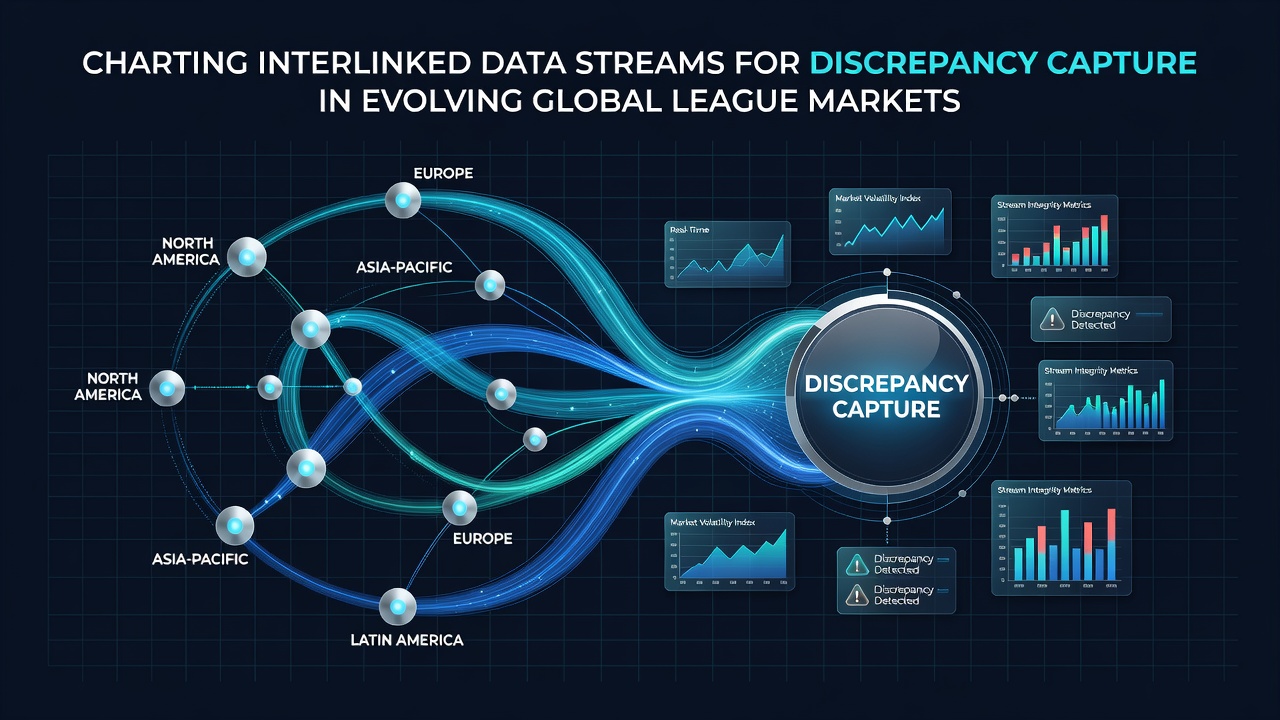
Global league markets continue to generate vast quantities of betting data from multiple continents, and observers note that these streams require systematic charting to identify variations that arise when bookmakers adjust prices at different rates. Researchers have documented how football leagues in Europe, South America, and Asia feed live odds into shared databases while basketball competitions across North America and Australia contribute separate feeds that sometimes lag by several seconds. Those who monitor these flows point out that synchronization gaps create opportunities for discrepancy capture when algorithms compare prices across dozens of operators simultaneously.
Core Components of Data Stream Integration
Operators collect raw inputs from league schedules, player statistics, and market movements, then route them through centralized platforms that apply time-stamping protocols. Analysts have found that European and Asian exchanges often publish updates within milliseconds of each other, yet North American sportsbooks introduce deliberate delays for regulatory compliance, which produces measurable offsets. Data fusion techniques merge these timelines by aligning timestamps and normalizing currency values, allowing software to flag instances where the same outcome carries prices that diverge beyond normal variance thresholds.
Studies from academic institutions reveal that cross-league correlations strengthen during overlapping seasons, particularly when major tournaments draw simultaneous attention from bettors worldwide. One project examined data collected between March and September 2025 and showed that tennis circuits in Australia and Europe generated tighter price alignments than basketball leagues spanning different time zones. The integration process relies on application programming interfaces that pull feeds from multiple jurisdictions while respecting local data-protection rules.
Discrepancy Detection Mechanisms in Practice
Algorithms scan normalized datasets for price spreads that exceed predefined margins, then isolate the underlying causes such as delayed information from regional operators or differing risk models. Technicians have observed that certain leagues publish injury reports at irregular intervals, which creates short windows where interlinked streams reflect inconsistent player availability data. Automated systems apply statistical filters to separate random fluctuations from persistent discrepancies, and these filters have been refined using historical records from 2024 onward.
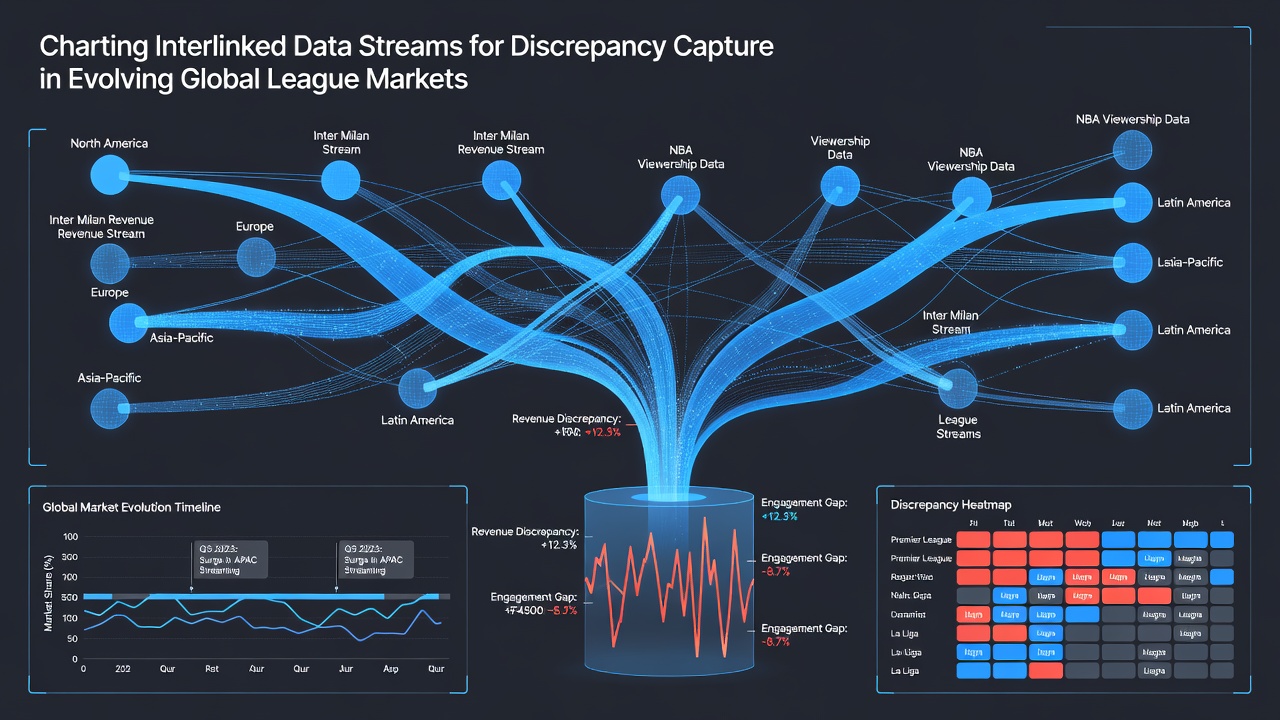
Global operators increasingly rely on machine-learning models trained on past arbitrage events to predict when new variations are likely to appear. These models incorporate variables including match timing, league prestige, and liquidity levels, producing probability scores that guide monitoring priorities. Data from the Australian Gambling Research Centre indicates that similar approaches have been tested in regulated markets outside Europe, yielding measurable improvements in detection speed during high-volume periods.
Adaptations Across Evolving League Structures
League calendars shift each year as governing bodies introduce new competitions or adjust existing formats, and these changes ripple through betting data ecosystems. Observers tracking preparations for expanded international events scheduled around June 2026 report that additional matches will increase the volume of simultaneous data streams, requiring updated calibration of discrepancy thresholds. Teams responsible for system maintenance have begun testing enhanced latency compensation techniques to handle the expected surge in cross-time-zone activity.
Industry reports compiled by research groups such as the National Bureau of Economic Research document how market depth varies between established European football divisions and emerging basketball competitions in Asia. Shallower markets tend to exhibit larger adn more frequent price discrepancies when information arrives unevenly, while deeper markets maintain tighter alignments. Charting tools now include market-depth indicators that help operators prioritize which leagues warrant closer scrutiny at any given moment.
Future Trajectories for Data-Driven Monitoring
Continued expansion of live betting across global leagues will place greater demands on interlinked data architectures, prompting further investment in real-time reconciliation engines. Technicians anticipate that quantum-resistant encryption methods will soon be integrated to protect the integrity of transmitted streams while maintaining processing speeds. Those who have followed developments since 2023 note that regulatory frameworks in multiple jurisdictions are beginning to address data-sharing standards, which may standardize certain aspects of discrepancy capture across borders.
Conclusion
Charting interlinked data streams has become a foundational activity for capturing discrepancies within evolving global league markets, supported by coordinated technical and regulatory efforts. Evidence from multiple regions shows that systematic integration of feeds from diverse operators enables faster identification of pricing variations, while ongoing calendar changes such as those anticipated in June 2026 will test the scalability of existing systems. Continued refinement of detection algorithms and data protocols will determine how effectively stakeholders maintain oversight as league structures and betting volumes continue to expand.