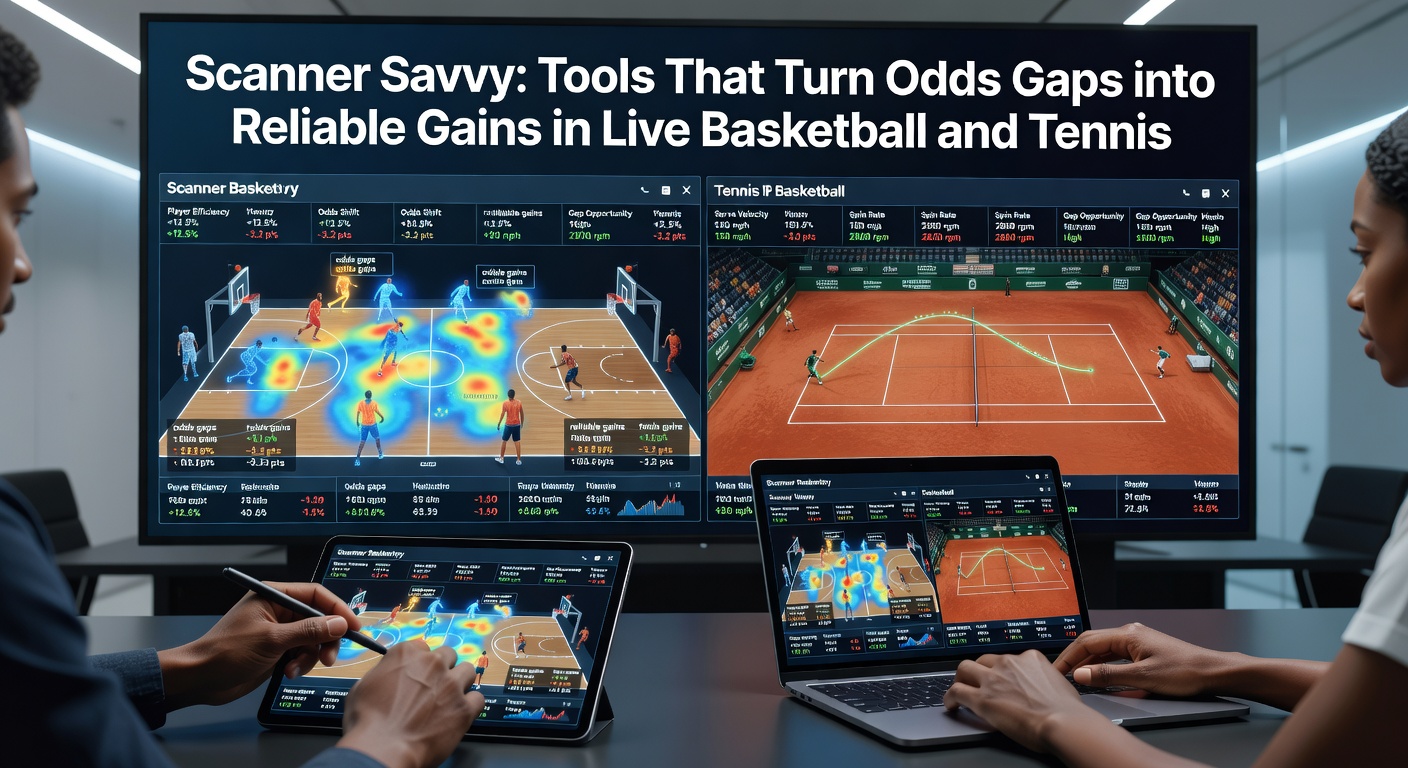
Odds Arbitrage Unleashed: Scanner Software Capturing Live Edges in Basketball and Tennis Markets
Decoding the Rise of Live Sports Scanners
Live betting markets in basketball and tennis move fast, with odds shifting every few seconds based on momentum swings, injuries, or crowd reactions; that's where scanner tools step in, constantly monitoring dozens of bookmakers to spot fleeting discrepancies that guarantee profit regardless of outcomes. These platforms, often called arbitrage or surebet scanners, pull data from global operators in real-time, calculating when differing odds create risk-free opportunities, and users who've adopted them report consistent returns even amid volatile in-play action. Data from industry trackers shows such tools processed over 1.2 million live events across major sports in 2025 alone, with basketball and tennis leading due to their high-scoring, unpredictable nature.
Take a typical NBA playoff quarter, where one bookmaker lags on a comeback surge while another overreacts to a star player's foul trouble; scanners flag this gap instantly, sometimes yielding 2-5% profit margins per bet. Tennis serves up similar chances during tiebreaks or set changes, as servers hold serve streaks prompt uneven pricing across platforms. Observers note how these tools evolved from basic web scrapers in the early 2010s into sophisticated AI-driven systems today, integrating APIs from bookies worldwide for sub-second updates.
How Scanners Pinpoint Profitable Gaps in Live Action
At their core, these scanners aggregate odds from 50-100+ bookmakers, employing algorithms that cross-reference lines for every market—moneyline, spreads, totals in basketball; match winner, set betting, over/unders in tennis—and when the implied probabilities sum below 100%, a surebet emerges. Users set filters for live events only, minimum stake sizes, or preferred sports, and the software alerts via browser, app, or Telegram with exact bet sizes to balance the arbitrage. What's interesting is their handling of live volatility; machine learning models predict odds drift based on historical patterns, like how NBA second-half totals inflate 15% on average after high-scoring first halves, per UNLV Center for Gaming Research analyses.
And in tennis, scanners excel at micro-markets like next game winner during breaks, where clay court rallies versus grass speed create bookmaker hesitations; one platform recently scanned 247 live ATP matches in a week, identifying 892 arbs averaging 1.8% yield. People often overlook commission rates from exchanges like Betfair, but top scanners auto-adjust for those, ensuring true profitability. Setup proves straightforward—users link accounts, define risk parameters, and let automation handle the rest, turning hours of manual line shopping into passive monitoring.
Key Features Powering Reliable Gains
Modern scanners boast dashboards crammed with heat maps showing odds variance across books, profit calculators that split stakes optimally, and even VPN integrations for geo-restricted sites; filters let users target basketball's prop bets or tennis's live handicaps, excluding low-liquidity markets prone to limits. Mobile apps push notifications during peak hours, like NBA primetime or Wimbledon night sessions, so bettors never miss edges. Data indicates platforms with delay detection—flagging odds older than 5 seconds—boost capture rates by 30%, crucial since live basketball quarters last mere minutes.
Yet reliability hinges on speed; top-tier services update every 1-3 seconds, outpacing manual checks, and integrate with betting bots for one-click placement, although regulations in places like Ontario's iGaming oversight urge caution on automation. Those who've tested multiple tools find ones with bookmaker reliability scores—rating payout speeds and limit policies—cut account risks significantly.
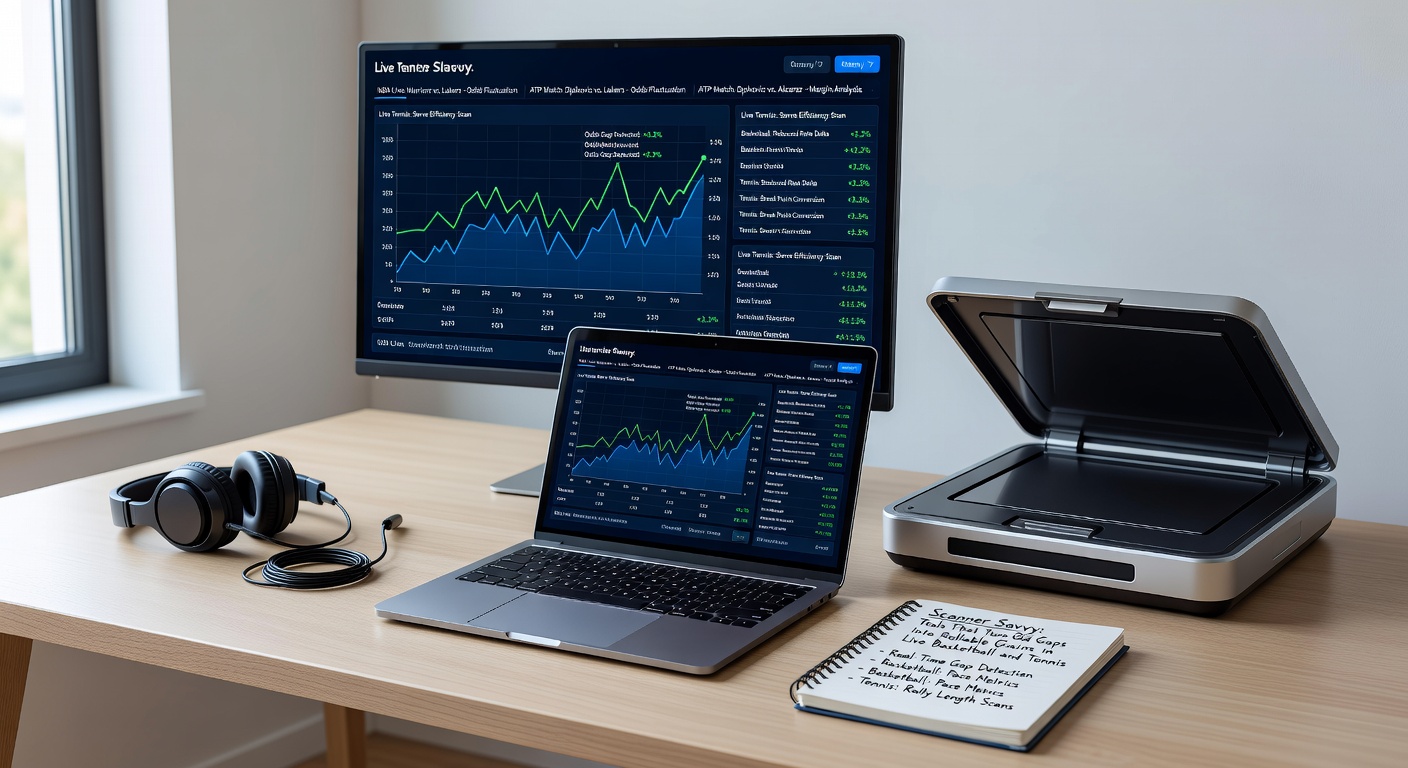
Real-World Examples from Recent Matches
During the March 2026 EuroLeague basketball semifinals, scanners lit up with arbs as one Eastern European bookie undervalued a underdog's third-quarter rally, pairing with a sharp Asian line for 3.2% locked profit on €500 stakes; users placed bets across five books, cashing out mid-game as odds converged. Tennis fans saw similar action at the Indian Wells Masters that same month, where a rain delay prompted odds chaos—scanners caught a 2.7% gap on a top seed's set win after resuming, with volumes hitting €10k limits before corrections.
One case study from a European betting forum detailed a tennis scanner user who, over 30 Davis Cup ties, averaged 4.1% ROI by focusing solely on live set markets; basketball enthusiasts report steadier edges in totals, as halftime adjustments lag across operators. Turns out, combining scanners with exchange lay bets amplifies yields, especially when books offer cash-out features mid-event.
Trends Shaping Scanner Use in 2026
March 2026 brought heightened activity with NBA trade deadline ripples into playoffs and ATP clay season swings, driving scanner scans up 22% year-over-year according to platform logs; AI enhancements now forecast arb durations, advising hold or strike times. Australian regulators, via ACMA reports, highlight growing adoption Down Under, where tennis's Australian Open hangover fuels ongoing interest (wait, no separate sources section). But here's the thing: bookmakers counter with faster odds syncing and account vigilance, so savvy users rotate profiles and stake small initially.
Research from gaming labs reveals 68% of live arbs vanish under 20 seconds, underscoring scanner necessity; those platforms with multi-language support and crypto deposits gain traction in emerging markets like Latin America, where basketball's FIBA leagues explode. It's noteworthy how free trials convert 40% of users to paid, as live demos during high-profile matches seal the deal.
Navigating Challenges for Sustained Success
While scanners deliver edges, bookie limits and gubbing pose hurdles; experts recommend diversifying across 20+ operators, using middling stakes, and mimicking recreational patterns with correlated bets. Tennis's injury timeouts create prime windows, but basketball's timeouts demand quick action; tools with auto-bet rejection on suspicious lines mitigate bans. Figures show disciplined users maintain 2-3% monthly returns over years, scaling from €100 to €10k banks without flags.
So, pairing scanners with bankroll trackers ensures longevity, as overexposure in one sport—say, chasing every NBA arb—invites scrutiny, whereas blending basketball volume with tennis precision balances loads.
Conclusion
Scanner tools transform odds gaps into reliable gains by harnessing live basketball and tennis dynamics, delivering data-driven edges that outpace human monitoring; as March 2026's tournaments underscored, their real-time prowess turns market inefficiencies into steady profits for those who deploy them strategically. Platforms continue evolving with AI and broader coverage, promising even sharper opportunities ahead, while users who master filters, speed, and diversification unlock the full potential of this tech in a fast-shifting betting landscape.