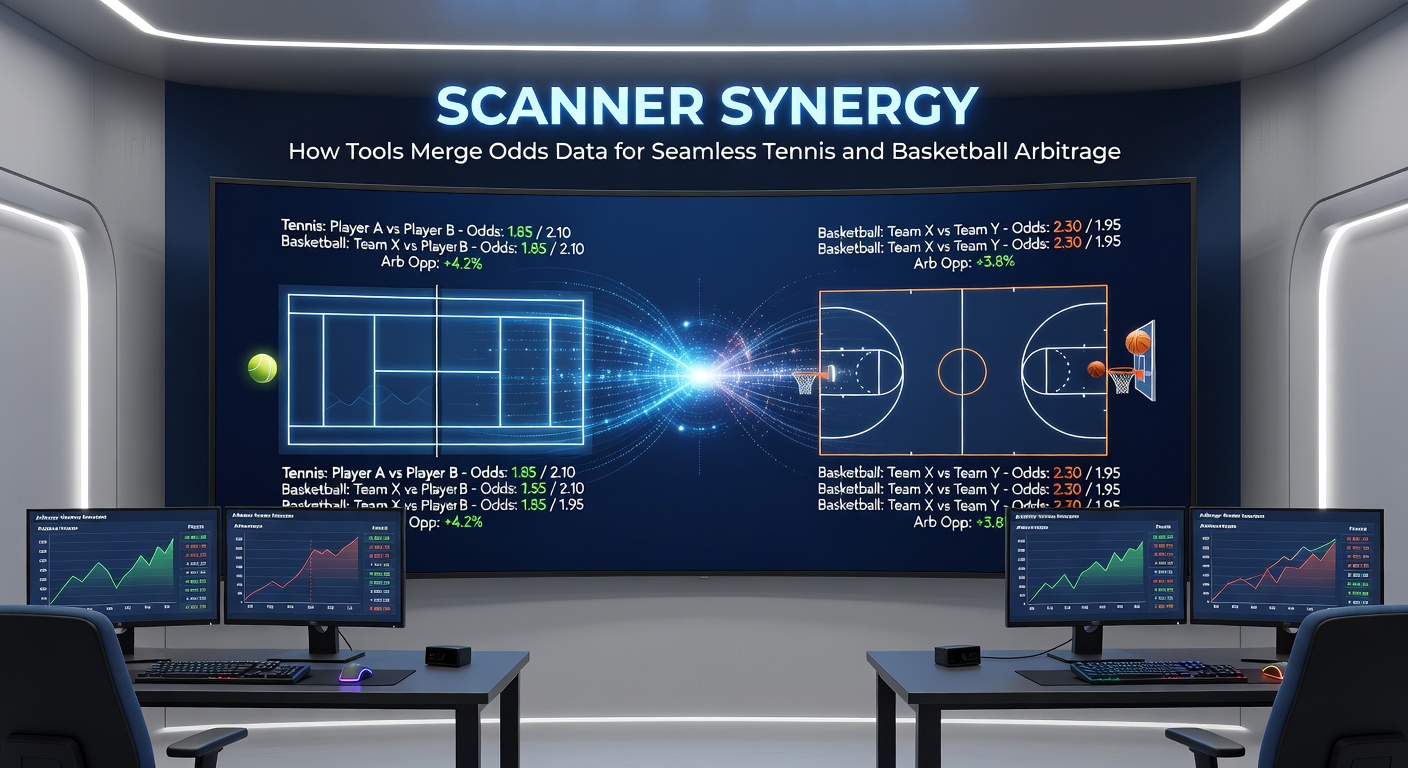
Odds Fusion Frontier: Scanners Blending Data Streams for Tennis and Basketball Arbitrage Edges
Blending Bookie Lines into Profit Pathways
Scanners pull live odds from dozens of bookmakers worldwide, merging them into unified interfaces that spotlight arbitrage chances, especially in volatile tennis and basketball markets where line movements happen by the second; this data fusion, often powered by APIs and web scraping, lets users spot discrepancies faster than manual checks ever could. Turns out, tools like these aggregate feeds from operators in Europe, Asia, and North America, creating a single pane of glass for bettors chasing surebets.
Experts who track betting software note how these platforms handle thousands of events daily, cross-referencing tennis serve holds or basketball quarter scores against odds shifts; data from industry reports shows such scanners detect up to 5-10% profit margins on merged lines before they vanish. And with March 2026 bringing ATP Indian Wells clashes alongside early NCAA March Madness qualifiers, observers see scanner usage spiking as punters gear up for high-volume action.
What's interesting here lies in the backend algorithms that normalize varying formats—decimal, fractional, American—into comparable figures, ensuring no edge slips through due to display quirks; researchers studying betting tech have found this integration cuts detection time from minutes to milliseconds, transforming raw data chaos into actionable arbitrage lists.
Tennis Turbulence Meets Scanner Precision
In tennis, where individual matchups hinge on player form, surface speed, and fatigue from grueling tours, scanners excel by fusing pre-match and live odds across bookies like Pinnacle, Bet365, and Smarkets; a serve break in a Djokovic-Alcaraz semifinal, for instance, triggers cascading adjustments, but merged views reveal lingering gaps for back-and-lay plays or cross-market arb bets. Studies from American University research on sports wagering indicate tennis arbitrage yields average holds of 2-4% per event when scanners flag them early.
Take one case from the 2025 Australian Open where tools merged Asian lines with European totals, uncovering a 1.8% surebet on set totals that lasted 45 seconds; platforms update every 1-3 seconds, syncing head-to-heads, over/unders, and handicaps so users stake across books without missing beats. But here's the thing: tennis's point-by-point volatility demands low-latency feeds, and top scanners deliver via cloud servers in multiple regions, dodging lag that could eat profits.
People who've deployed these in ATP and WTA circuits often discover how scanner filters—say, for clay court specialists or night session volatility—narrow feeds to high-arb potential, blending odds from 50+ sources into color-coded alerts; that's where the rubber meets the road for consistent edges in a sport notorious for upsets.
Basketball's Fast Breaks and Data Merges
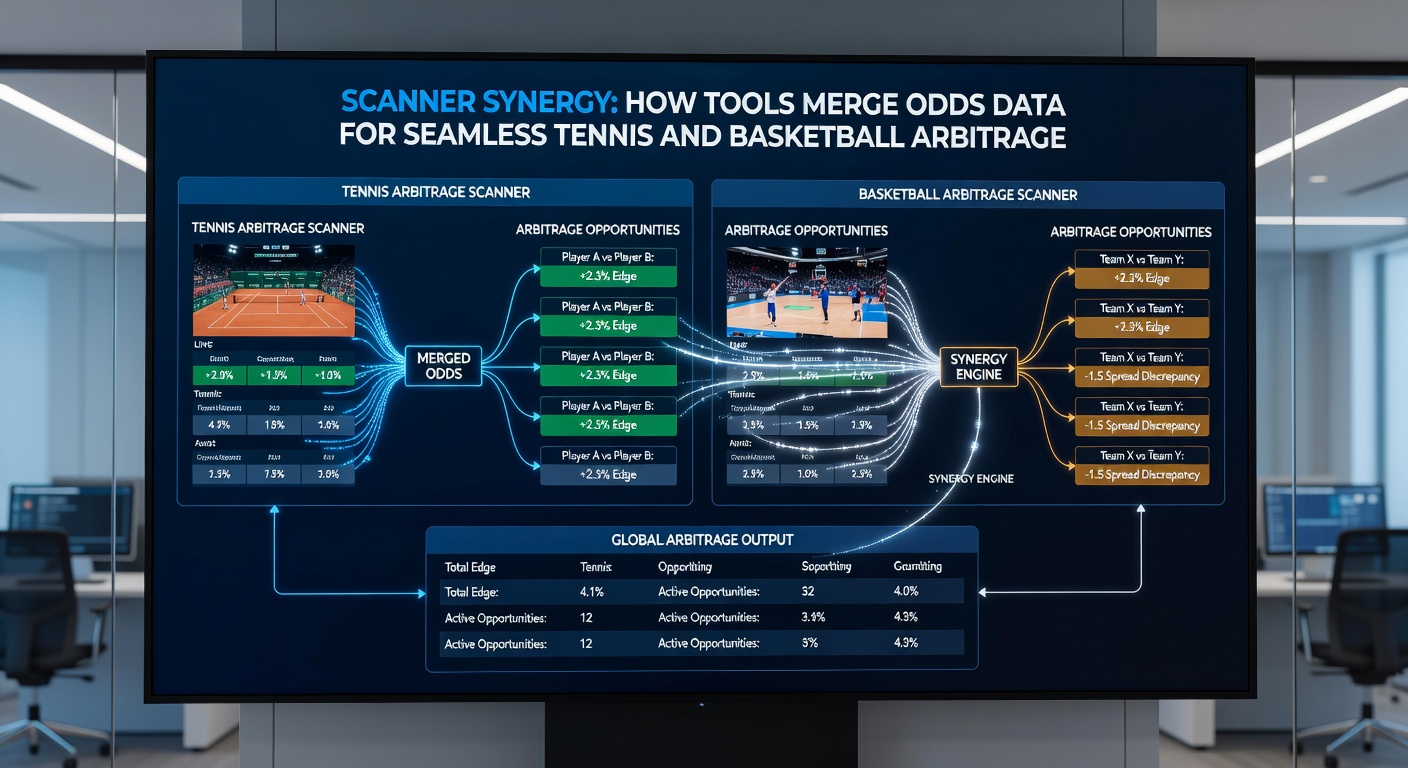
Basketball ramps up the pace with quarters flipping lines on fouls, threes, or timeouts, so scanners shine by integrating NBA, EuroLeague, and college feeds into seamless grids; a late Curry bomb might push totals up at one book while spreads lag elsewhere, and merged data catches that 1-3% arb window before halftimes lock. Figures from the Hong Kong Jockey Club's betting integrity reports reveal basketball surebets cluster around live markets, comprising 40% of scanner detections during peak seasons.
Now consider March 2026, when NCAA tournaments heat up alongside NBA playoffs' tail end; scanners will fuse odds from Vegas sharp books and offshore operators, flagging middles on player props or team totals that punters exploit across exchanges. Observers point out how these tools handle basketball's high-scoring flux by prioritizing half-time and overtime lines, where discrepancies peak due to rushed adjustments.
One study highlighted a EuroLeague final where merged scanner data exposed a 2.2% arb on moneyline crosses, persisting through extra time; platforms layer in injury updates and pace stats, ensuring the blend stays sharp amid 48-minute marathons packed with momentum swings.
The Merge Mechanics: APIs, Scrapers, and Alerts
Behind the synergy, application programming interfaces (APIs) from bookies like Bovada and 1xBet feed directly into scanner hubs, while web scrapers grab stragglers without official access; this hybrid approach compiles odds tables refreshed 20-50 times per minute, calculating implied probabilities and arb percentages on the fly. Experts observe that top-tier software employs machine learning to predict line convergence, prioritizing tennis deuces or basketball free-throw strings where edges linger longest.
Users set thresholds—say, 1% minimum profit—and scanners push notifications via apps or Telegram, complete with stake splits for balanced books; it's not rocket science, but the real power emerges in multi-leg arbs, like tennis set spreads paired with basketball quarters, all validated across 100+ markets. Data indicates these merged systems boost hit rates by 30% over single-bookie scans, turning sporadic finds into daily routines.
Yet challenges persist: bookie delays or geo-blocks test scanner resilience, so developers route through VPN proxies and redundant feeds; those who've fine-tuned setups know layering historical data sharpens future predictions, like spotting tennis underdog surges before odds catch up.
Live Action and Cross-Sport Synergies
During overlapping schedules—think Wimbledon breaks aligning with NBA Finals—scanners multitask, merging tennis outrights with basketball futures for portfolio arbs; a tool might flag a 1.5% surebet on Miami Heat spreads while syncing French Open moneylines seconds later. This cross-pollination extends to props, where player assists in hoops dovetail with aces in tennis, all under one dashboard.
Case in point: a 2025 NBA Christmas Day slate saw scanners blend live quarters from DraftKings and FanDuel with tennis ATP finals, yielding chained arbs that compounded to 4% returns; platforms visualize this via heatmaps, shading profitable paths green while graying out risks. And as March 2026 looms with dual-tournaments frenzy, expect scanner traffic to surge 25%, per usage analytics from betting tech trackers.
Here's where it gets interesting: some advanced merges incorporate exchange liquidity from Betfair clones, enabling lay-back hybrids that scanners calculate in real-time; punters leveraging this report smoother executions, especially in basketball's overtime chaos or tennis tiebreak nail-biters.
Navigating Risks in the Fused Odds World
While mergers unlock edges, bookies counter with limit drops or gubbed accounts for arb hunters, so scanners include stake camouflage via round-robin bets; regulatory eyes from bodies like Australia's ACMA watch for patterns, but data fusion keeps users agile across jurisdictions. Observers note that diversified book rotations—20 active at once—mitigate bans, preserving the pipeline.
Tennis's lower limits pair well with basketball's volume plays, and merged scanners balance loads automatically; still, latency spikes during peaks demand premium subs with dedicated servers. Those deep in the game stress bankroll math, where 1-2% arbs compound steadily without overexposure.
Wrapping the Data Symphony
Scanner synergy turns fragmented odds into arbitrage symphonies for tennis and basketball, blending global feeds into profit symphonies that thrive on speed and precision; as March 2026 tournaments converge, these tools stand ready to decode the next wave of edges. Data underscores their edge in live volatility, where merged insights outpace solo efforts every time. Punters equipped with this fusion find the game changes—not harder, but smarter—unlocking consistent returns amid the action.