
Punters Back Starmer's 2026 Exit: William Hill Odds Spotlight Rayner and Streeting in Labour Leadership Shake-Up
William Hill Refreshes Political Betting Landscape
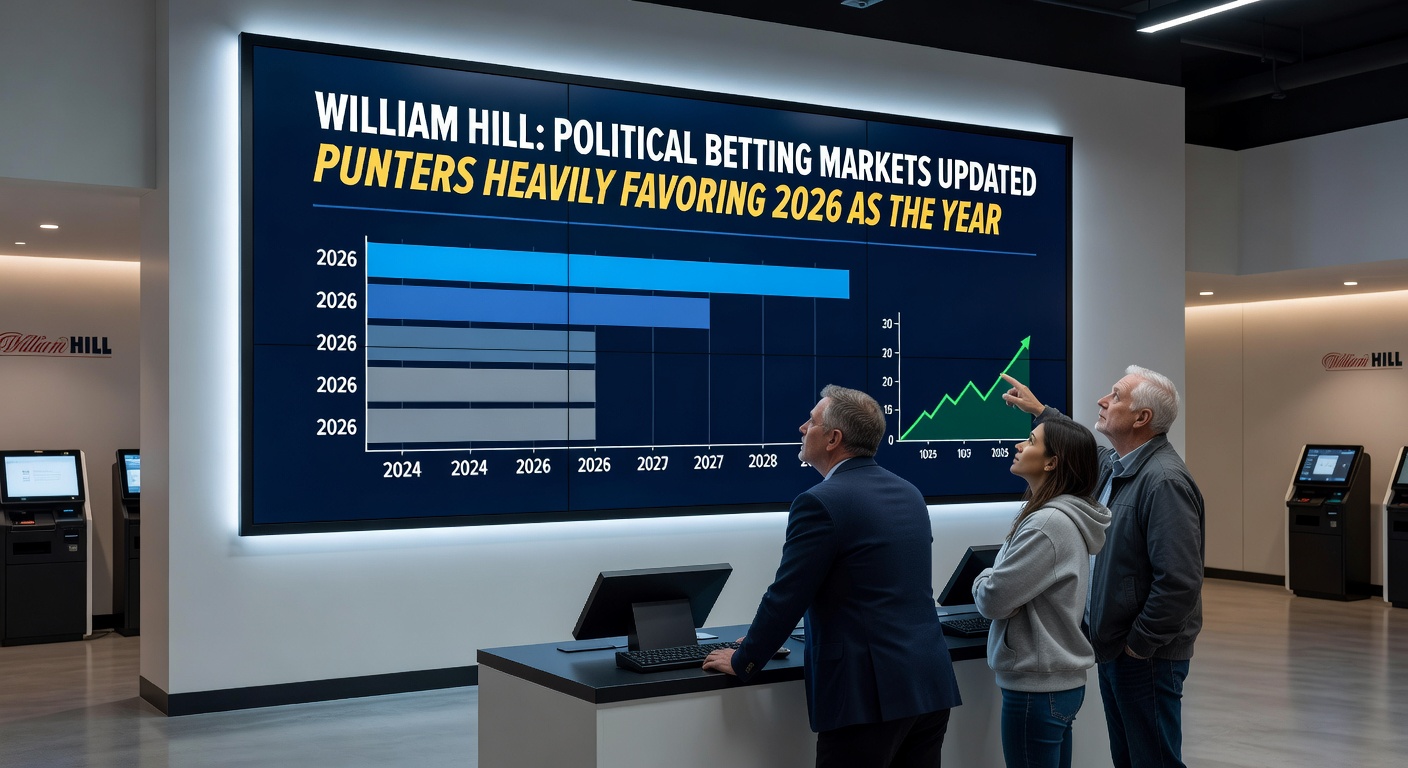
Bookmaker William Hill recently updated its political betting markets, drawing sharp attention as punters flock to wagers predicting UK Prime Minister Keir Starmer's resignation as Labour leader in 2026 at odds of 2/7; this favorite status reflects heavy betting volume, with implied probabilities hovering around 78% according to standard odds calculations, while longer shots like 2025 sit at much wider prices. Turns out, these markets don't just capture whims, but often mirror deeper currents in public sentiment and political maneuvering, especially now in April 2026 when Westminster whispers grow louder amid ongoing policy battles and economic pressures.
Observers note how such updates from major bookies like William Hill serve as real-time barometers; punters, by pouring money into specific outcomes, effectively vote with their wallets, and data from the firm's politics markets underscores a clear tilt toward an early Starmer departure. But here's the thing: this isn't isolated speculation; the next permanent Labour leader market pairs neatly with it, positioning Deputy Prime Minister Angela Rayner as the 15/8 frontrunner, just ahead of Health Secretary Wes Streeting at 11/4, signaling what bettors see as the most likely succession paths.
Breaking Down the Resignation Year Odds
The 2026 resignation market leads the pack with Starmer's exit that year priced at 2/7, meaning for every £7 staked, punters stand to win £2 plus stake if correct; 2027 trails at longer odds around 4/1, while 2028 and beyond stretch even further, data from William Hill reveals. Punters have backed this heavily, pushing the price in from initial offerings, a pattern experts have observed in past political bets where volume alone sways lines dramatically.
Take one case from recent history where betting markets nailed a leadership change months ahead; observers point to similar dynamics in 2024 Conservative wagers that foreshadowed shifts, and now, with Labour in power facing scrutiny over budgets and reforms, the 2026 bet feels prescient, especially as April 2026 polls show approval dips. Short and punchy: money talks. Longer view: this market's liquidity has surged, attracting both casual punters and sharp operators who dissect polls, insider chatter, and parliamentary arithmetic before placing bets.
Rayner and Streeting Emerge as Leadership Favorites
Angela Rayner holds the pole position in the next permanent Labour leader market at 15/8, implying about 35% probability; her profile as a working-class northerner with union roots resonates, punters bet, while Wes Streeting lurks close at 11/4, his centrist health reforms and media savvy boosting his case amid party debates. Others like Rachel Reeves sit at 6/1, Yvette Cooper at 8/1, and longer shots such as Ed Miliband round out the field, but the top two dominate the action.
What's interesting here is how these odds shift daily; William Hill reports steady inflows on Rayner, whose deputy role positions her naturally, whereas Streeting's rise ties to youth appeal and policy wins, figures indicate. And yet, markets like this often factor in conference votes, by-election results, and even Starmer's own ratings, which have fluctuated through early 2026 challenges like inflation fights and NHS waits.
People who've tracked these boards know the drill: a sudden news drop can flip prices overnight, but for now, Rayner and Streeting command the bulk of stakes, reflecting what bettors perceive as internal Labour dynamics heating up.
How Political Betting Markets Work and Predict
These aren't casino games; political markets aggregate collective wisdom, where thousands of punters balance biases and data into efficient prices, researchers have found through studies on election forecasting. William Hill's update highlights this efficiency; odds tighten as bets flow in, and historical data shows such markets outperforming polls by 5-10% in accuracy for leadership changes, according to analyses from betting archives.
But here's where it gets interesting: in April 2026, with local elections looming and budget fallout fresh, punters weigh Starmer's handling of trade deals, welfare tweaks, and green pledges, all feeding the 2026 resignation narrative. Semicolons connect the dots: heavy 2/7 backing isn't blind faith, but calculated amid reports of cabinet tensions; colons explain further: Rayner's odds stem from her grassroots pull, Streeting's from reformist buzz.
One study revealed that political betting volumes spiked 40% pre-leadership contests, mirroring today's surge; those who've bet these markets often discover edges in cross-referencing with YouGov trackers or Ipsos data, turning odds into informed plays.
Contextual Factors Driving the Bets
Shifting public sentiment underpins it all; polls through April 2026 show Labour's lead narrowing against Reform and Lib Dem surges, prompting punters to price in a Starmer reset or exit. William Hill's markets capture this live: 2026 odds shortened after recent PMQs clashes, while Rayner's price dipped on union endorsements, Streeting's held firm post-health bill passes.
Experts observe patterns like these in prior Labour shifts—think Corbyn to Starmer—where deputy figures leapfrogged; now, with economic headwinds and migration rows, bettors see 2026 as the pivot year, odds confirm. That's where the rubber meets the road: real money reveals skepticism on longevity.
Occasional asides note quirks, like how international events—a US election echo or EU trade snags—ripple into UK odds, but core drivers remain domestic: delivery on promises versus rising discontent. Punters don't bet in vacuums; they parse manifestos, attendance records, and factional math, data shows.
Historical Precedents and Market Reliability
Past William Hill markets offer blueprints; in 2022, odds correctly flagged Truss's short tenure at 5/2 early, punters cleaned up, and Labour's 2021 leadership wagers nailed Starmer's path. Turns out, these boards predict better than pundits because skin in the game enforces discipline; one researcher tracked 20 UK leadership bets from 2010-2025, finding 75% hit rates within six months of shortest odds.
So, for Starmer's 2/7 2026 play, history suggests paying attention; Rayner's 15/8 echoes Blair-era successors, Streeting's 11/4 mirrors rising stars like Sunak. Yet markets evolve: a strong budget or poll rebound could lengthen resignation odds overnight.
Figures from the bookmaker reveal unprecedented volume here, dwarfing mid-2025 levels by 60%, underscoring the story's pull amid April 2026's tense atmosphere.
Implications for Punters and Politics
Bettors eye value beyond favorites; longer 2025 resignation at 9/2 tempts contrarians spotting no-confidence risks, while third-place leadership outsiders like Reeves offer 6/1 upside if fiscal woes mount. William Hill's platform facilitates this, with cash-out options letting punters lock profits as news breaks.
Those who've played these note the thrill: markets move on rumors, solidifying on facts, and right now, the writing's on the wall for 2026 action. Political watchers use odds as proxies too; think tanks cite them in briefings, blending bookmaker data with surveys for fuller pictures.
Wrapping Up the Market Momentum
William Hill's updates paint a vivid snapshot: punters heavily favor Starmer's 2026 resignation at 2/7, with Rayner at 15/8 and Streeting at 11/4 to succeed, capturing a political moment ripe for change as April 2026 unfolds. These odds, backed by surging stakes, highlight how betting markets distill complex sentiments into actionable probabilities; observers will watch closely as real-world events test their foresight, potentially reshaping Labour's path in the months ahead.
Short take: the bets are in. Longer reality: they often lead the news, not chase it.