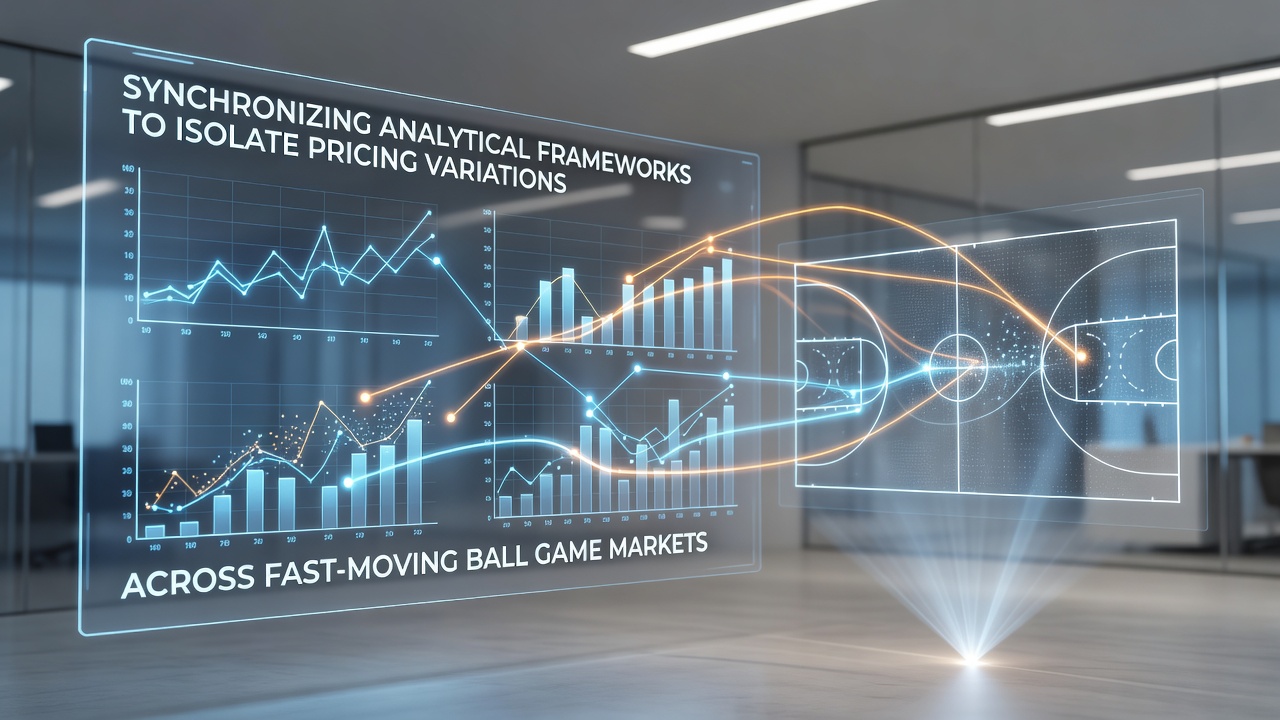
Synchronizing Analytical Frameworks to Isolate Pricing Variations Across Fast-Moving Ball Game Markets
Market participants rely on coordinated analytical systems to detect and isolate price differences that emerge during live betting on fast-paced ball sports such as basketball, tennis, and football; these systems combine multiple data inputs including real-time odds feeds, historical patterns, and statistical models to highlight temporary inefficiencies across bookmakers.
Researchers have developed layered approaches that align disparate information sources into unified monitoring structures, allowing observers to track how odds shift in response to in-game events like point swings or set changes while filtering out noise from slower markets.
Core Components of Synchronized Analysis
Effective frameworks begin with data ingestion layers that pull live quotes from various operators, then apply normalization techniques to account for differing formats and margins; statistical overlays subsequently compare these adjusted figures against expected values derived from probabilistic simulations, revealing deviations that exceed typical variance thresholds.
Those who study these processes note that synchronization requires precise timestamp alignment across feeds because even seconds of lag can distort results in high-velocity environments where scoring happens rapidly; machine learning classifiers help categorize movements as either event-driven or liquidity-based, sharpening the isolation of genuine pricing gaps.
Application in Dynamic Ball Game Settings
During basketball contests, for instance, point spreads and totals adjust continuously, and integrated tools cross-reference multiple exchanges to flag instances where one platform lags behind collective market movement; tennis matches present similar opportunities around service breaks or tiebreaks, where serve percentages and historical head-to-head data feed into predictive models that highlight discrepancies before they correct.
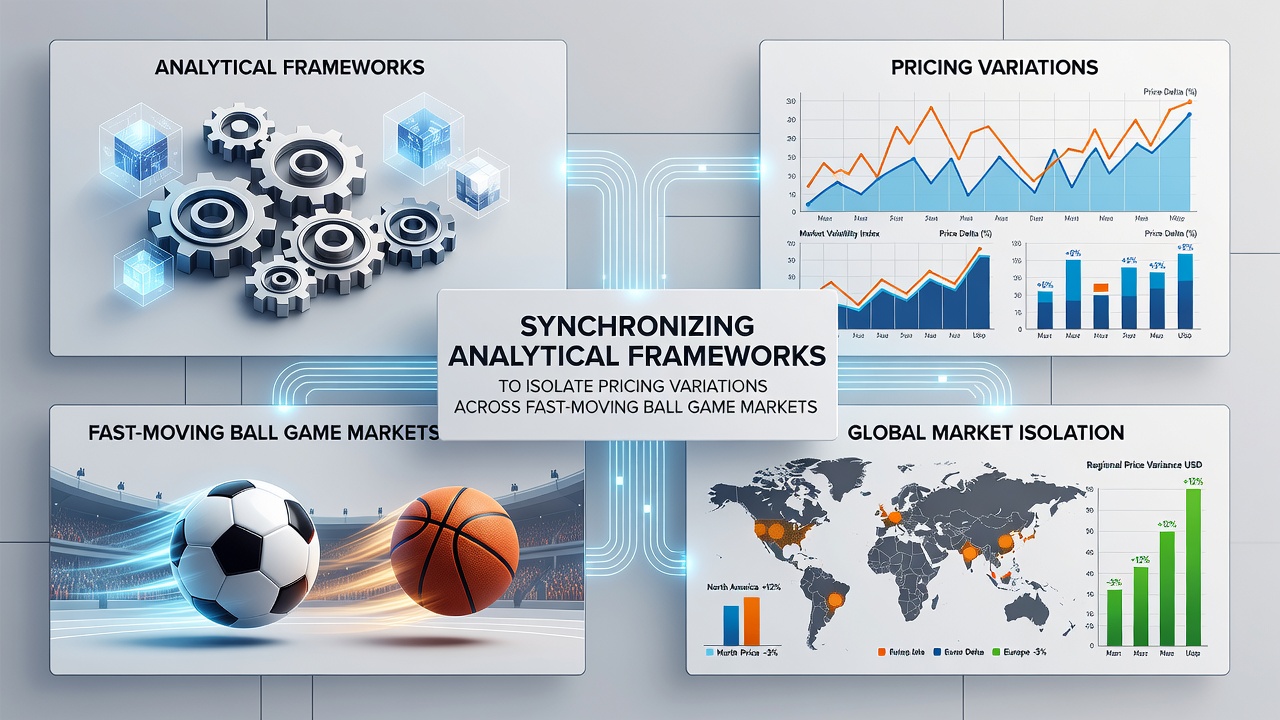
Football markets add complexity through their lower scoring frequency yet still feature rapid in-play adjustments during set pieces or red card incidents; analysts synchronize video event data with betting streams to isolate whether quoted prices reflect updated probabilities or lag behind information already priced in elsewhere.
Technological Integration and Data Sources
Modern implementations draw from application programming interfaces offered by betting exchanges alongside proprietary scanners that aggregate international operator data; these streams undergo cleansing protocols to remove outliers caused by promotional bonuses or regional restrictions before entering comparative algorithms.
According to figures released by the Nevada Gaming Control Board, sports wagering handle in regulated jurisdictions has continued expanding through 2026, underscoring the scale at which synchronized monitoring operates across global platforms; similar patterns appear in reports from Australian regulatory bodies tracking digital betting volumes during major tournaments.
July 2026 saw heightened activity around international competitions, where frameworks processed elevated data volumes to maintain accuracy amid fluctuating liquidity; integration of cloud-based processing has reduced latency, enabling near-instantaneous cross-market comparisons that were previously limited by hardware constraints.
Challenges in Maintaining Framework Accuracy
Latency differences between data providers remain a persistent issue, prompting developers to incorporate buffering mechanisms and predictive interpolation for missing ticks; regulatory variations across jurisdictions also influence available odds, requiring filters that segment markets by licensing status and operational rules.
Studies from academic institutions such as those affiliated with the University of Nevada, Reno, have examined how model calibration affects detection rates, showing that periodic retraining on recent match data improves identification of pricing variations without increasing false positives; observers note that combining quantitative signals with qualitative context from team news further refines output quality.
Conclusion
Synchronized analytical frameworks continue to evolve as core instruments for isolating pricing variations in fast-moving ball game markets, supported by advances in data integration and computational speed; ongoing refinements address latency and regulatory differences while drawing on expanding datasets from multiple regions, ensuring consistent identification of opportunities across basketball, tennis, and football environments.