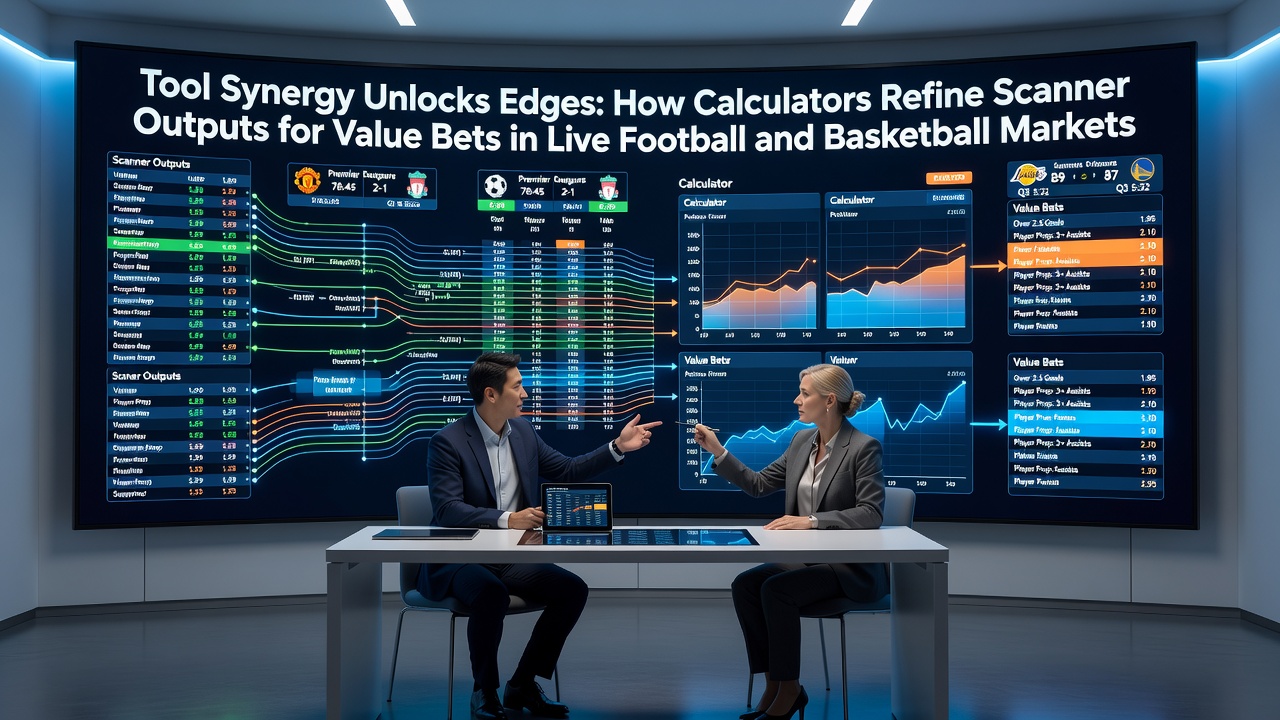
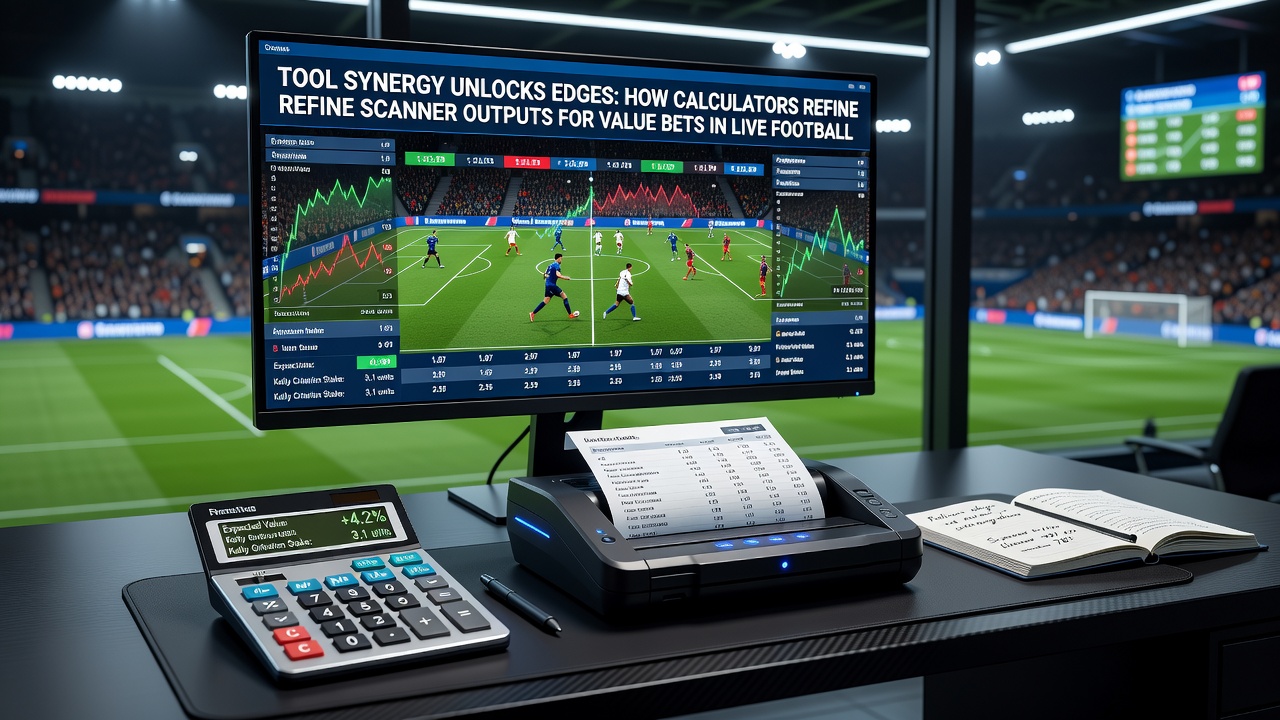
Tool Synergy Unlocks Edges: How Calculators Refine Scanner Outputs for Value Bets in Live Football and Basketball Markets
Scanners sweep across live odds boards in football and basketball, flagging discrepancies within seconds of each price movement, yet those raw alerts often require further sharpening before they translate into actionable value bets. Calculators step in at that stage, applying probability models and stake adjustments that convert broad signals into precise entries where the implied odds sit above estimated true probabilities.
Scanner Foundations in Dynamic Markets
Live scanners monitor dozens of bookmakers simultaneously during matches, tracking shifts in football totals or basketball spreads as possession changes hands and scoring runs develop. Data indicates these tools capture thousands of fleeting mismatches each day, particularly in high-volume leagues where liquidity keeps prices reactive. Observers note that raw scanner output highlights potential edges but stops short of confirming whether a line truly represents value once commission and variance enter the equation.
Researchers at industry technology conferences have documented how scanner algorithms prioritize speed over depth, surfacing opportunities in under two seconds during peak live periods. That speed creates volume, yet it also generates noise when odds move before a bet can be placed. The next layer therefore involves filtering those alerts through calculators that recalculate implied probabilities against historical and situational data.
Calculator Refinement Process
Calculators receive scanner flags and immediately run them through adjusted models that factor in current score, time remaining, and team-specific metrics such as shooting percentages or set-piece conversion rates. These tools output revised probability estimates alongside recommended stakes that keep overall bankroll exposure within defined limits. Studies from academic sports analytics groups show that combining scanner speed with calculator precision increases the proportion of bets meeting a minimum positive expected value threshold by measurable margins across large sample sizes.
One documented workflow begins when a scanner detects a basketball moneyline shift after a key player substitution. The calculator then pulls live box-score data, applies regression adjustments for pace and defensive matchups, and returns a value rating that either confirms or rejects the original alert. In football, similar sequences occur around corner or card markets where scanner alerts appear during injury stoppages and calculators reassess based on updated team news feeds.
Integration in July 2026 Market Conditions
By July 2026, live betting volumes in both sports continue to expand, driven by expanded in-game data streams and faster settlement systems. Reports from the American Gaming Association highlight steady growth in mobile live wagering during international summer tournaments, where football and basketball matches overlap in scheduling windows. Scanners now handle additional micro-markets such as next-goal timings or player performance props, while calculators incorporate real-time weather and travel-fatigue variables that influence outcomes in condensed tournament schedules.
Industry organizations note that the synergy between the two toolsets becomes especially relevant during overlapping fixtures, when manual review becomes impractical. Calculators automatically adjust for correlated risks across multiple open positions, preventing overexposure that standalone scanner alerts might overlook.
Performance Metrics Across Sample Periods
Longitudinal data compiled by university research teams tracking European and North American betting operators reveals consistent patterns: value bets refined through calculator layers show higher closing-line value percentages compared with unfiltered scanner selections. In basketball, live totals markets benefit most because rapid scoring bursts create frequent scanner triggers that calculators can quickly validate against pace-adjusted totals. Football live handicap markets follow similar trends, particularly in lower-scoring games where small probability shifts carry larger relative value.
Those who have examined operator-level datasets find that the combined workflow reduces the percentage of bets placed at negative expected value by rerunning probability calculations after each significant in-game event. This iterative refinement loop operates continuously until markets close or liquidity dries up.
Conclusion
The interaction between scanners and calculators forms a layered system that processes live football and basketball data at scale. Scanners supply breadth and immediacy while calculators add depth through probability adjustment and risk calibration. Market participants who integrate both tools gain access to refined outputs that align more closely with value betting criteria across evolving match conditions.